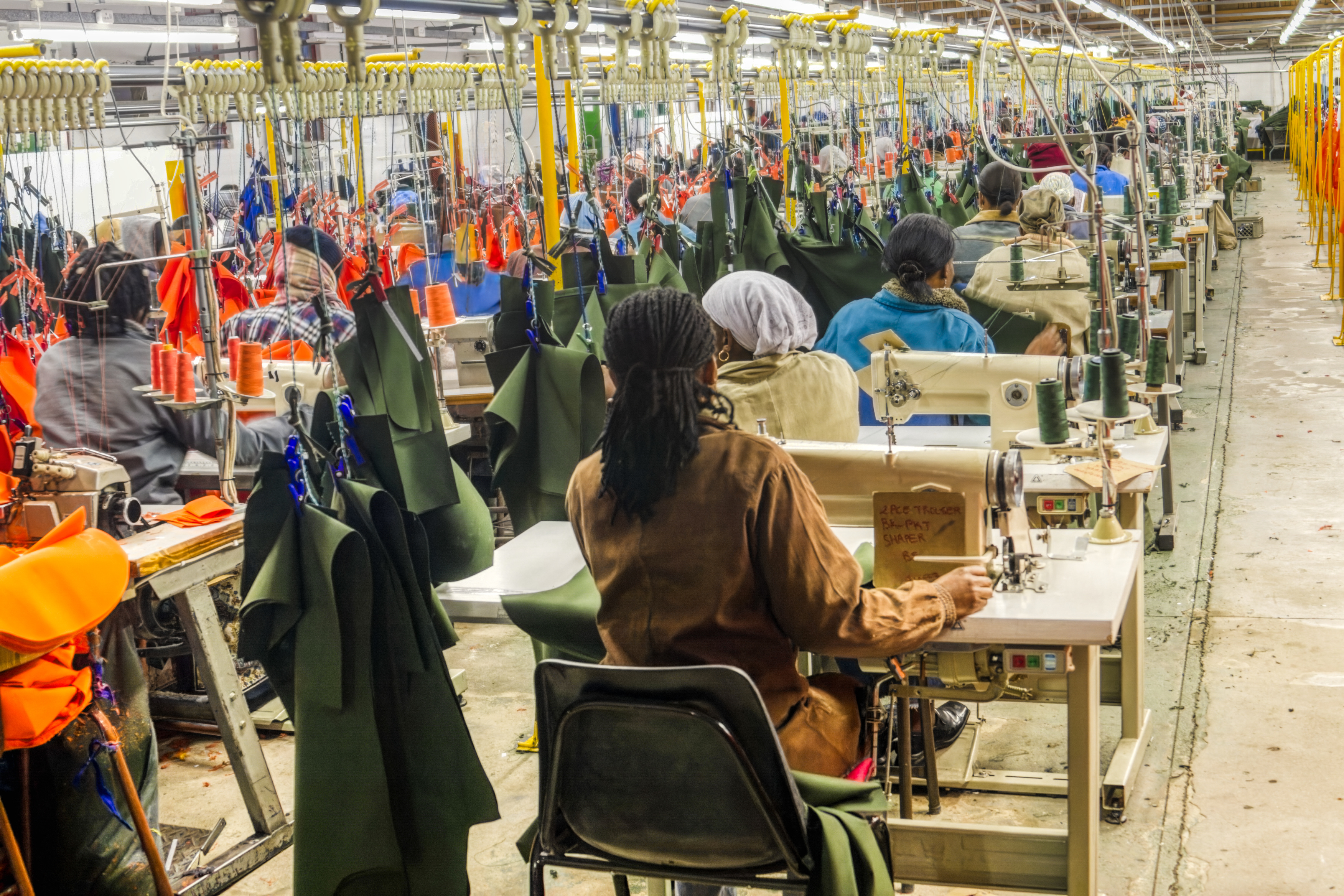
A young workforce facing employment challenges
Around 75% of Senegal’s population is under 35. Yet young people and women face significant barriers to employment, including informal work, low wages and limited job opportunities. Almost half of young people are not in employment, education or training.
The report also identifies a potential mismatch between skills and jobs. In Senegal, even educated individuals often work in elementary occupations, reflecting limited availability of skilled jobs and contributing to migration pressures. Similar challenges exist for Senegalese migrants in the EU, where 98% of them work in low-skilled occupations, despite evidence that some have higher education or professional experience.
Where skills and labour needs meet
The analysis identifies potential opportunities for Senegalese workers in sectors such as construction, transport, agriculture, hospitality and services. However, for Senegal-EU labour migration to be fair and mutually beneficial, it requires complementary efforts in training and qualification recognition.
Supporting mutually beneficial cooperation
The report recommends combining labour migration pathways with skills development and closer cooperation between public authorities, training providers and employers. It also highlights the importance of creating better job opportunities in Senegal and supporting returning migrants to use their skills and experience.
More information and links
| Originally Published | 16 Oct 2026 |
| Knowledge service | Metadata | Migration and Demography | Drivers of Migration | Impact of labour immigrationLabour forceLabour marketLabour market integrationLabour migrationLabour mobility |
| Digital Europa Thesaurus (DET) | labour marketmigration |
| Geographic coverage | Senegal |
Related reading
Need help?
Consult our user manual or editorial guidance


